

 https://doi.org/10.4081/ahr.2026.192
COMPLEX REGIONAL PAIN SYNDROME WITH PERSISTENT KINESIOPHOBIA: A CASE REPORT
B. Sekban, E. Tarihçi Çakmak, F. Merih Akpinar, E. İlke Şen, N. Çapan | Department of Physical Medicine and Rehabilitation, Faculty of Medicine, Istanbul University, Istanbul, Turkey
All claims expressed in this article are solely those of the authors and do not necessarily represent those of their affiliated organizations, or those of the publisher, the editors and the reviewers. Any product that may be evaluated in this article or claim that may be made by its manufacturer is not guaranteed or endorsed by the publisher.
Published: 6 May 2026
Background and Aims. Complex regional pain syndrome (CRPS) is characterized by disproportionate pain, sensory disturbances, and functional limitations, often exacerbated by kinesiophobia and central sensitization. This case highlights CRPS predominantly accompanied by kinesiophobia.
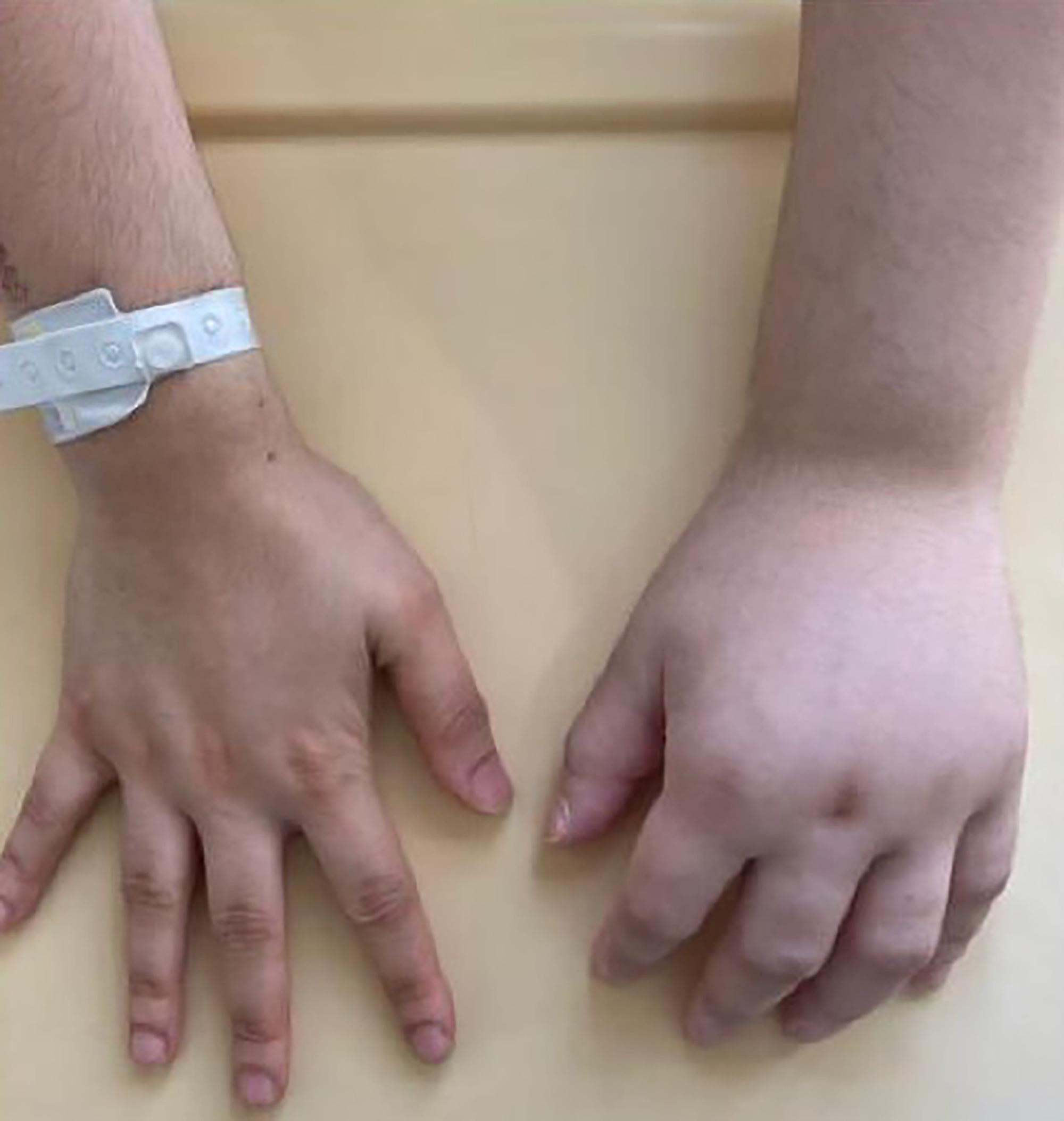
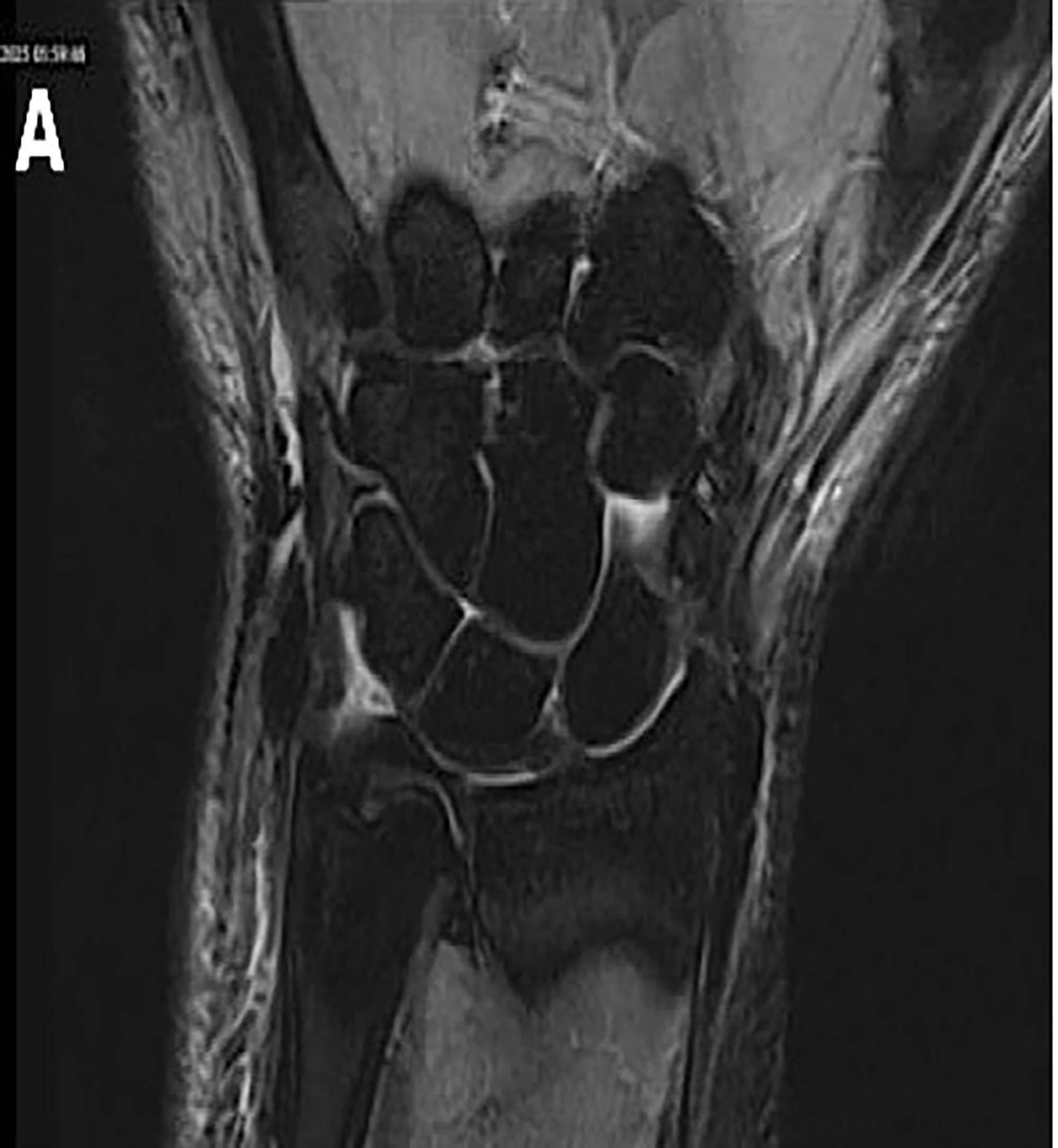
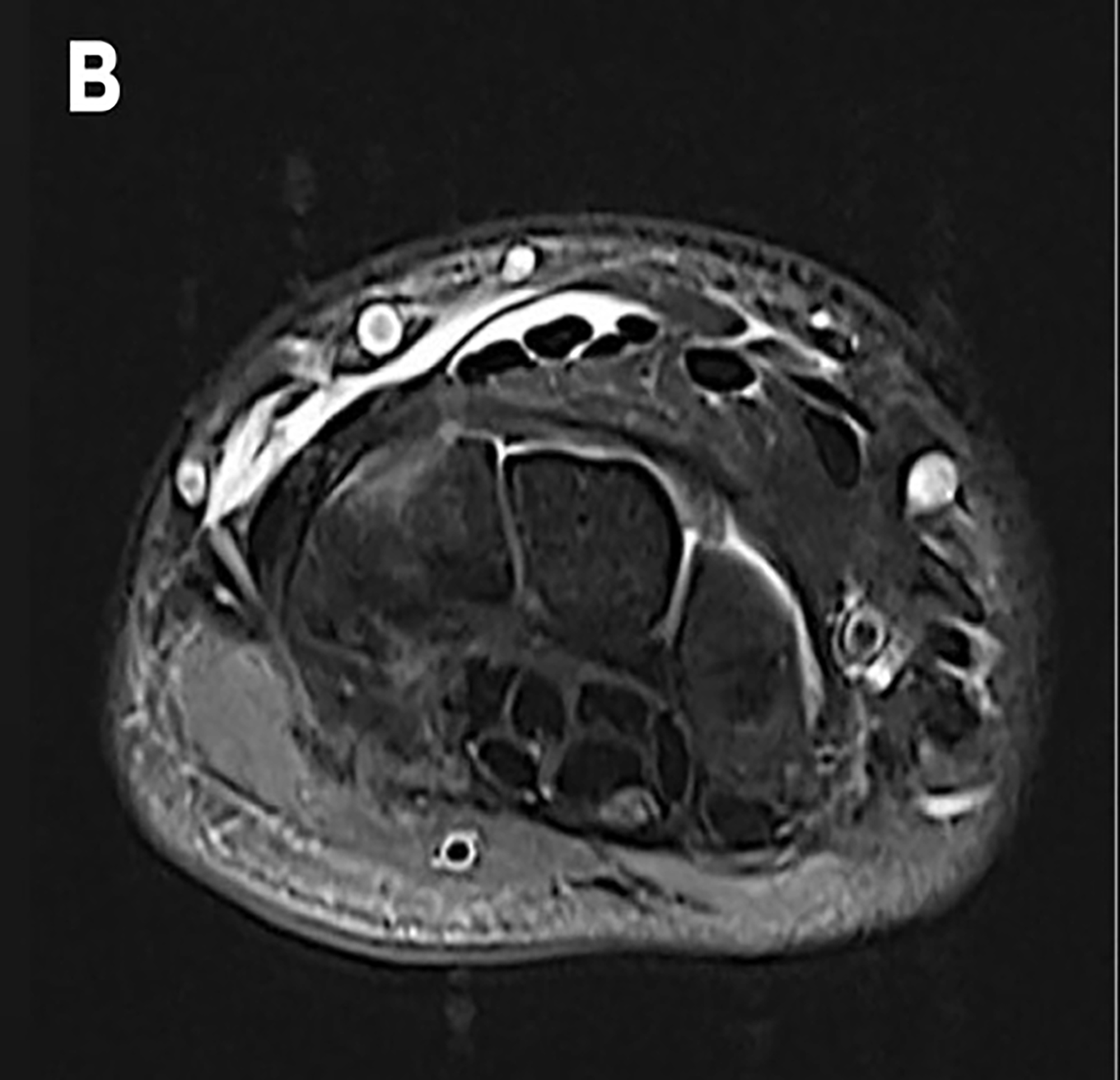
Methods. A 17-year-old female with a history of anxiety disorder was referred to our clinic with a preliminary diagnosis of arthritis and lymphedema, presenting with a one-year history of pain, swelling, and numbness in the left upper extremity without a clear trigger. Physical examination revealed edema, allodynia, and marked avoidance of movement. Baseline scores were 9 for the visual analog scale (VAS) and DN4, 66 for the Disabilities of the Arm, Shoulder and Hand (DASH), and 49 for the Tampa Kinesiophobia Scale. Further evaluation showed ANA positivity (1:320, speckled), periarticular osteopenia in the phalanges on X-ray, and inflammatory changes in the left hand on MRI. The patient was diagnosed with CRPS according to the Budapest criteria. Undifferentiated connective tissue hyperactivity and accompanying psychological comorbidity were considered contributing factors. Treatment was arranged in accordance with current literature using a multimodal rehabilitation approach, including prednisolone, gabapentin, range-of-motion exercises, mirror therapy, graded motor imagery, and psychological support.
Results. At week 6, VAS, DN4, and DASH scores decreased to 2, 5, and 18, respectively; however, the Tampa score decreased to 43 but remained elevated.
Conclusions. Pain and functional status improved; however, persistent kinesiophobia highlights the role of central sensitization and biopsychosocial factors in CRPS. Early rehabilitation is essential even while investigating underlying causes.
Downloads
How to Cite

This work is licensed under a Creative Commons Attribution-NonCommercial 4.0 International License.
PAGEPress has chosen to apply the Creative Commons Attribution NonCommercial 4.0 International License (CC BY-NC 4.0) to all manuscripts to be published.