

 https://doi.org/10.4081/ahr.2026.173
METABOLIC DYSFUNCTION AS A REVERSIBLE DRIVER OF SMALL FIBER NEUROPATHY: A CASE REPORT
J. Mendoza | Antioquia Society of Anesthesiology and Resuscitation (SADEA), Medellin, Colombia
All claims expressed in this article are solely those of the authors and do not necessarily represent those of their affiliated organizations, or those of the publisher, the editors and the reviewers. Any product that may be evaluated in this article or claim that may be made by its manufacturer is not guaranteed or endorsed by the publisher.
Published: 6 May 2026
Background and Aims. Small fiber neuropathy (SFN) is characterized by neuropathic pain with frequently normal nerve conduction studies, which often leads to diagnostic delays and challenges in identifying underlying etiologies. Emerging evidence suggests that metabolic disturbances, including dysglycemia and insulin resistance, may contribute to the development of SFN even in the absence of overt diabetes.
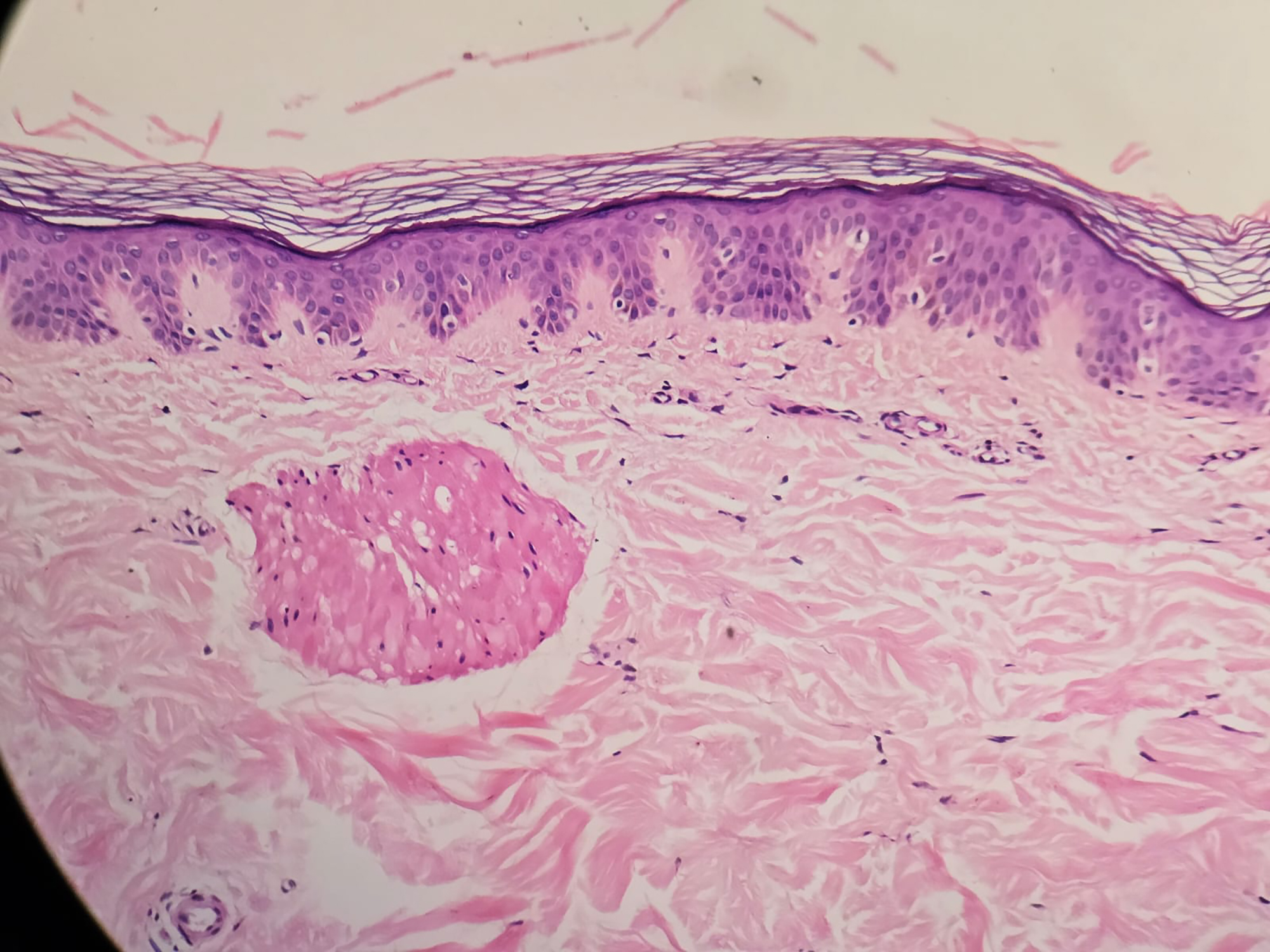
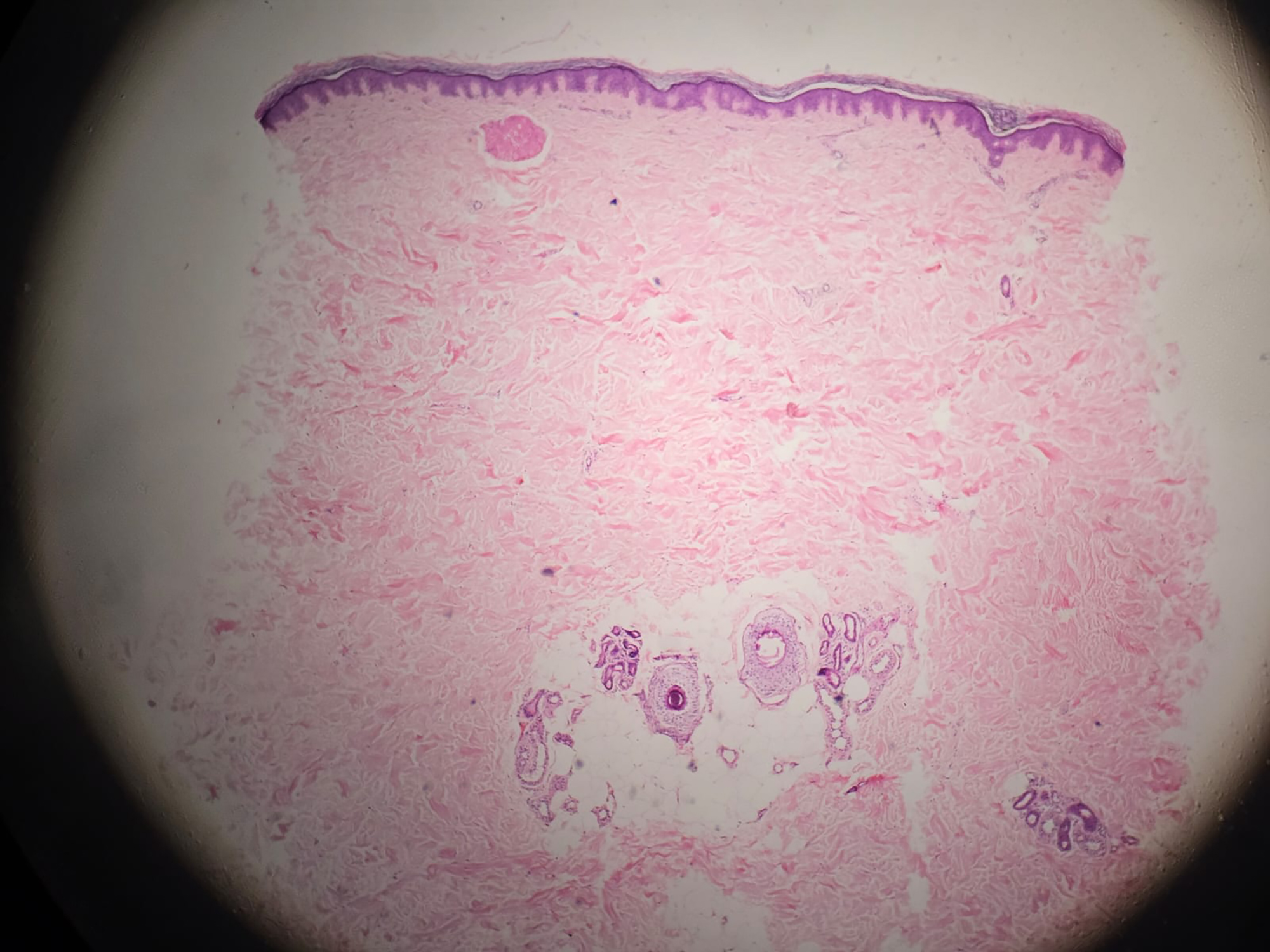
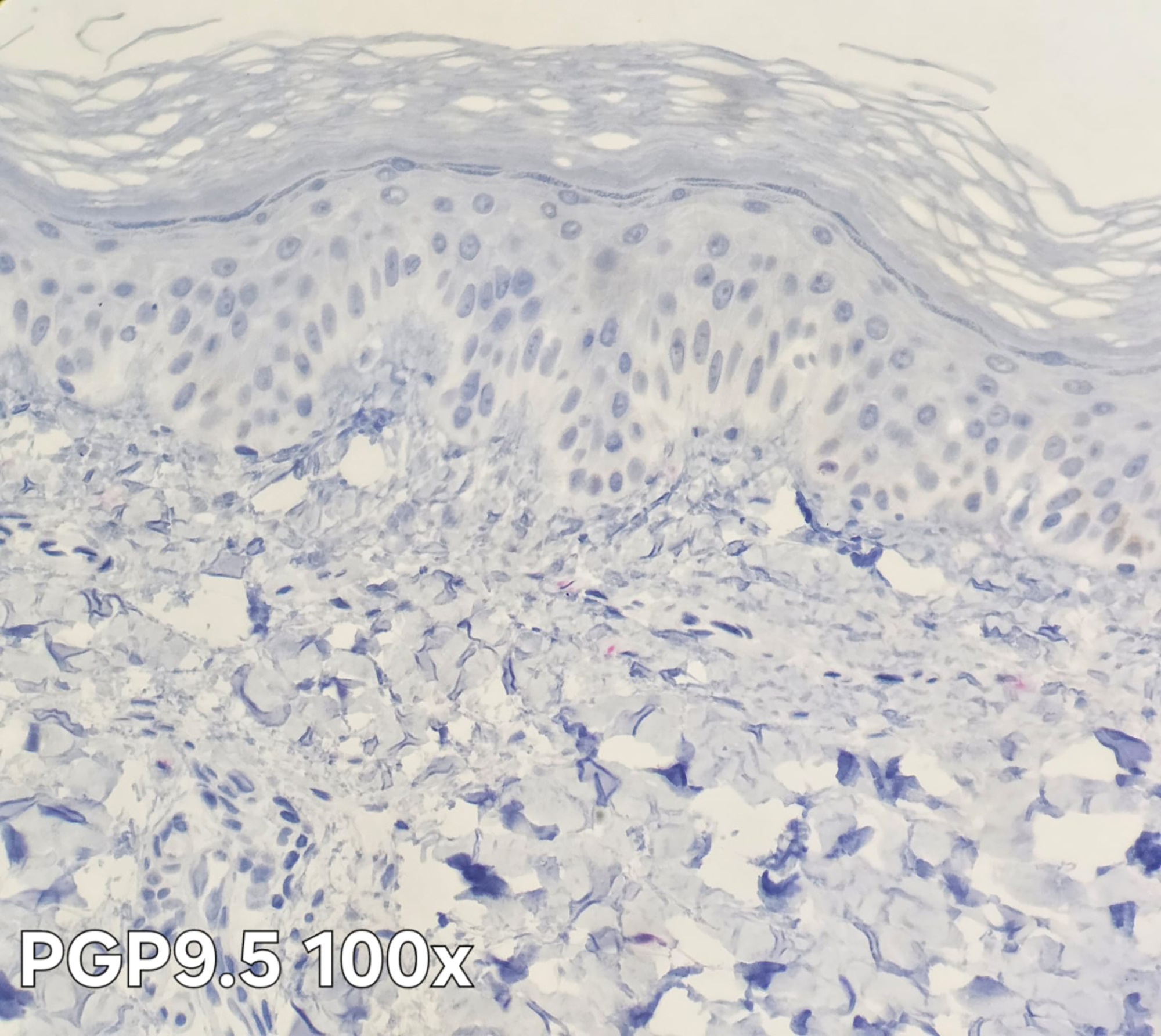
Methods. Case Presentation: A 36-year-old male presented with chronic neuropathic pain predominantly affecting the lower extremities in a length-dependent distribution. The DN4 questionnaire score was 7/10, consistent with neuropathic pain. Initial treatment with pregabalin 75 mg twice daily provided only partial relief. Over a three-year period, symptoms progressed to generalized neuropathic pain accompanied by fatigue, cognitive complaints, dyspepsia, and decreased quality of life. Neurological examination revealed reduced pinprick sensation without motor deficits or allodynia. Electromyography of the lower limbs was normal. A skin biopsy with immunohistochemical analysis demonstrated reduced intraepidermal nerve fiber density, confirming the diagnosis of small fiber neuropathy. Comprehensive metabolic evaluation revealed dysglycemia characterized by hyperinsulinemia during oral glucose tolerance testing (fasting insulin 12 μU/mL; 2-hour insulin 229 μU/mL) without meeting criteria for diabetes mellitus. Nutritional assessment suggested deficiencies in alpha-lipoic acid, vitamin B1, and vitamin B3, along with suspected gluten sensitivity. Intervention: A multimodal therapeutic strategy was implemented, including lifestyle modification, a paleo-based elimination diet, and targeted nutraceutical supplementation. Alpha-lipoic acid 600 mg twice daily was prescribed for three months alongside correction of micronutrient deficiencies.
Results. After three months of treatment, the patient reported approximately an 80% reduction in neuropathic pain intensity, which allowed for a progressive reduction in pregabalin therapy. At the six-month follow-up, complete resolution of neuropathic pain was reported. Metabolic parameters improved significantly, with fasting insulin decreasing to 3.2 μU/mL and 2-hour insulin to 105 μU/mL.
Conclusions. This case highlights metabolic dysfunction as a potentially reversible contributor to small fiber neuropathy. Systematic metabolic and nutritional evaluation may help identify modifiable etiologies in patients with unexplained neuropathic pain. Targeted lifestyle and metabolic interventions may lead to substantial clinical improvement and even symptom resolution.

Downloads
How to Cite

This work is licensed under a Creative Commons Attribution-NonCommercial 4.0 International License.
PAGEPress has chosen to apply the Creative Commons Attribution NonCommercial 4.0 International License (CC BY-NC 4.0) to all manuscripts to be published.