

 https://doi.org/10.4081/ahr.2026.134
Microbial signatures of pain: the microbiome-immune-neural axis in pain chronification
All claims expressed in this article are solely those of the authors and do not necessarily represent those of their affiliated organizations, or those of the publisher, the editors and the reviewers. Any product that may be evaluated in this article or claim that may be made by its manufacturer is not guaranteed or endorsed by the publisher.
Accepted: 30 June 2026
Published: 26 August 2026
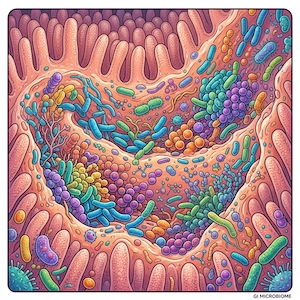
Chronic pain is increasingly recognized as a complex neuroimmune disorder rather than a purely nociceptive phenomenon. Emerging evidence suggests that microbial ecosystems, particularly the gut microbiota, act as upstream modulators of immune and neural signaling pathways that shape pain perception and chronification. This narrative review synthesizes current mechanistic and translational evidence supporting the concept of a microbiome-immune-neural axis in acute and chronic pain conditions. We examine how dysbiosis and epithelial barrier dysfunction promote systemic translocation of microbial-derived molecules, including lipopolysaccharide and other pathogen-associated molecular patterns, leading to activation of innate immune pathways (e.g., Toll-like receptor 4, inflammasomes) and sustained cytokine release. These immune signals sensitize peripheral nociceptors, prime spinal microglia, and alter descending inhibitory circuits, thereby facilitating peripheral and central sensitization. Attention is given to nociplastic pain syndromes, neuropathic pain, musculoskeletal disorders, and cancer-related pain, where low-grade inflammation and immune dysregulation intersect with microbial alterations. We further discuss microbial metabolites, short-chain fatty acids, tryptophan-kynurenine derivatives, secondary bile acids, and endocannabinoid-modulating compounds, as bidirectional regulators of neuroimmune homeostasis. Developmental immune imprinting, stress-related dysbiosis, and epigenetic mechanisms are explored as potential contributors to long-term vulnerability to pain chronification. Finally, we evaluate translational implications, including microbiome-derived biomarkers of pain phenotypes, dietary and probiotic interventions, fecal microbiota transplantation, and integration with artificial intelligence-based profiling strategies. While causality remains incompletely established and methodological heterogeneity limits definitive conclusions, converging data support a model in which microbial-immune signaling functions as a mechanistic amplifier of pain persistence. Positioning chronic pain within a microbial-immunological framework may redefine therapeutic targets and open precision-medicine pathways aimed at restoring neuroimmune and microbial homeostasis.
Downloads
1.Cohen SP, Vase L, Hooten WM. Chronic pain: an update on burden, best practices, and new advances. Lancet 2021;397:2082-97. DOI: https://doi.org/10.1016/S0140-6736(21)00393-7
2.Camilloni A, Nati G, Maggiolini P, et al. Chronic non-cancer pain in primary care: an Italian cross-sectional study. Signa Vitae 2021;17:54-62.
3.Rosario D, Boren J, Uhlen M, et al. Systems biology approaches to understand the host–microbiome interactions in neurodegenerative diseases. Front Neurosci 2020;14:716. DOI: https://doi.org/10.3389/fnins.2020.00716
4.Pak R, Cho M, Pride K, et al. The gut microbiota and chronic pain. Curr Pain Headache Rep 2024;28:259-69. DOI: https://doi.org/10.1007/s11916-024-01221-x
5.Goudman L, Demuyser T, Pilitsis JG, et al. Gut dysbiosis in patients with chronic pain: a systematic review and meta-analysis. Front Immunol 2024;15:1342833. DOI: https://doi.org/10.3389/fimmu.2024.1342833
6.Cai W, Haddad M, Haddad R, et al. The gut microbiota promotes pain in fibromyalgia. Neuron 2025;113:2161-75.e13. DOI: https://doi.org/10.1016/j.neuron.2025.03.032
7.O’Riordan KJ, Moloney GM, Keane L, et al. The gut microbiota-immune-brain axis: Therapeutic implications. Cell Rep Med 2025;6:101982. DOI: https://doi.org/10.1016/j.xcrm.2025.101982
8.Guo R, Chen L-H, Xing C, et al. Pain regulation by gut microbiota: molecular mechanisms and therapeutic potential. Br J Anaesth 2019;123:637-54. DOI: https://doi.org/10.1016/j.bja.2019.07.026
9.Wan X, Wang L, Wang Z, et al. Toll-like receptor 4 plays a vital role in irritable bowel syndrome: a scoping review. Front Immunol 2024;15:1490653. DOI: https://doi.org/10.3389/fimmu.2024.1490653
10.Mann ER, Lam YK, Uhlig HH. Short-chain fatty acids: linking diet, the microbiome and immunity. Nat Rev Immunol 2024;24:577-95. DOI: https://doi.org/10.1038/s41577-024-01014-8
11.Erny D, Hrabě De Angelis AL, Jaitin D, et al. Host microbiota constantly control maturation and function of microglia in the CNS. Nat Neurosci 2015;18:965-77. DOI: https://doi.org/10.1038/nn.4030
12.Zhao M, Zhang L, Liu Z. Gut microbiota-mediated pain sensitization: mechanisms and therapeutic implications. Front Pain Res (Lausanne) 2025:6:1626515. DOI: https://doi.org/10.3389/fpain.2025.1626515
13.Gong Z, Zou J, Fang Y, et al. The role of gut microbiota in neuropathic pain: insights into immune mechanisms. J Headache Pain 2025;27:28. DOI: https://doi.org/10.1186/s10194-025-02260-4
14.Lou L, Zhou L, Wang Y. Gut microbiota: a modulator and therapeutic target for chronic pain. Mol Neurobiol 2025;62:5875-90. DOI: https://doi.org/10.1007/s12035-024-04663-x
15.Baethge C, Goldbeck-Wood S, Mertens S. SANRA—a scale for the quality assessment of narrative review articles. Res Integr Peer Rev 2019;4:5. DOI: https://doi.org/10.1186/s41073-019-0064-8
16.Gonzalez E, Sahar T, Haddad M, et al. Altered gut microbiome composition and function in individuals with complex regional pain syndrome. Anesthesiology 2025;143:142-55. DOI: https://doi.org/10.1097/ALN.0000000000005435
17.Corriero A, Giglio M, Soloperto R, et al. Microbial symphony: exploring the role of the gut in osteoarthritis-related pain. A narrative review. Pain Ther 2024;13:409-33. DOI: https://doi.org/10.1007/s40122-024-00602-9
18.Minerbi A, Gonzalez E, Brereton NJB, et al. Altered microbiome composition in individuals with fibromyalgia. Pain 2019;160:2589-602. DOI: https://doi.org/10.1097/j.pain.0000000000001640
19.Pan H, Liu C-x, Zhu H-j, et al. Immune cells mediate the effects of gut microbiota on neuropathic pain: a Mendelian randomization study. J Headache Pain 2024;25:196. DOI: https://doi.org/10.1186/s10194-024-01906-z
20.Burns G, Roberts F, Wark JA, et al. Serological and faecal markers of the irritable bowel syndrome: a systematic review and meta-analysis. EBioMedicine 2026;126:106198. DOI: https://doi.org/10.1016/j.ebiom.2026.106198
21.Tieppo AM, Tieppo JS, Rivetti LA. Analysis of intestinal bacterial microbiota in individuals with and without chronic low back pain. Curr Issues Mol Biol 2024;46:7339-52. DOI: https://doi.org/10.3390/cimb46070435
22.Li W, Tu J, Zheng J, et al. Gut microbiome and metabolome changes in chronic low back pain patients with vertebral bone marrow lesions. JOR Spine 2025;8:e70042. DOI: https://doi.org/10.1002/jsp2.70042
23.Rosa A, Gargari M, Martelli M. Gut-brain-jaw axis: the emerging role of gut microbiota in temporomandibular disorders and orofacial pain - A narrative review. J Oral Rehabil 2026;53:939-44. DOI: https://doi.org/10.1111/joor.70156
24.Suthivanich P, Vongseenin S, Auvichayapat V, et al. Probiotic modulation of central and peripheral sensitization in a migraine model via the gut–brain–trigeminal axis. Sci Rep 2025;15:41103. DOI: https://doi.org/10.1038/s41598-025-24928-2
25.Fan P-C, Chua H-H, Lin C-R, et al. Targeting the microbiome in pediatric migraine: gastrointestinal manifestations and the therapeutic role of Bifidobacterium longum. Gut Microbes 2026;18:2606487. DOI: https://doi.org/10.1080/19490976.2025.2606487
26.Cho S, Jung Y, Oh H-S, et al. Oral and gut dysbiosis in migraine. Neurol Neuroimmunol Neuroinflamm 2025;12:e200437.
27.Pratt ML, Plumb AN, Manjrekar A, et al. Microbiome contributions to pain: a review of the pre-clinical literature. Pain 2025;166:262-81. DOI: https://doi.org/10.1097/j.pain.0000000000003376
28.Manske S. The microbiome's role in chronic pain and inflammation. Integr Med (Encinitas) 2024;23:10-5.
29.Li M, She K, Zhu P, et al. Chronic pain and comorbid emotional disorders: neural circuitry and neuroimmunity pathways. Int J Mol Sci 2025;26:436. DOI: https://doi.org/10.3390/ijms26020436
30.Böckels L, Alexa D, Antal DC, et al. The Microbiome–neurodegeneration interface: mechanisms, evidence, and future directions. Cells 2026;15:135. DOI: https://doi.org/10.3390/cells15020135
31.Majeed M, Sajid R, Sehar A, et al. Genetic variation in innate immune genes shapes gut microbiota composition and host-microbe interactions: a review. Kashf J Multidiscip Res 2026;3:24-43. DOI: https://doi.org/10.71146/kjmr809
32.Mandlem VKK, Rivera A, Khan Z, et al. TLR4 induced TRPM2 mediated neuropathic pain. Front Pharmacol 2024;15:1472771. DOI: https://doi.org/10.3389/fphar.2024.1472771
33.Grace PM, Hutchinson MR, Maier SF, et al. Pathological pain and the neuroimmune interface. Nat Rev Immunol 2014;14:217-31. DOI: https://doi.org/10.1038/nri3621
34.Fiore NT, Debs SR, Hayes JP, et al. Pain-resolving immune mechanisms in neuropathic pain. Nat Rev Neurol 2023;19:199-220. DOI: https://doi.org/10.1038/s41582-023-00777-3
35.Babu N, Gadepalli A, Akhilesh, et al. TLR-4: a promising target for chemotherapy-induced peripheral neuropathy. Mol Biol Rep 2024;51:1099. DOI: https://doi.org/10.1007/s11033-024-10038-1
36.Tong S-H, Zhou J, Ye F, et al. Activation of TLR4/CCL2 in Intact neurons drives radicular injury-induced global nerve trunk hypersensitivity in radiculopathy pre-clinical models. J Pain Res 2025;18:3903-18. DOI: https://doi.org/10.2147/JPR.S499997
37.Alam MI, Farhana F, Sakai E. Emerging role of the NLRP3 inflammasome in the onset of oral diseases and its potential as a therapeutic target. Int J Mol Sci 2026;27:1098. DOI: https://doi.org/10.3390/ijms27021098
38.Chen R, Yin C, Fang J, et al. The NLRP3 inflammasome: an emerging therapeutic target for chronic pain. J Neuroinflamm 2021;18:84. DOI: https://doi.org/10.1186/s12974-021-02131-0
39.Chen C, Smith MT. The NLRP3 inflammasome: role in the pathobiology of chronic pain. Inflammopharmacology 2023;31:1589-603. DOI: https://doi.org/10.1007/s10787-023-01235-8
40.Pottorf TS, Rotterman TM, McCallum WM, et al. The role of microglia in neuroinflammation of the spinal cord after peripheral nerve injury. Cells 2022;11:2083. DOI: https://doi.org/10.3390/cells11132083
41.Austin PJ, Kim CF, Perera CJ, et al. Regulatory T cells attenuate neuropathic pain following peripheral nerve injury and experimental autoimmune neuritis. Pain 2012;153:1916-31. DOI: https://doi.org/10.1016/j.pain.2012.06.005
42.Zhang C, Li Y, Yu Y, et al. Impact of inflammation and Treg cell regulation on neuropathic pain in spinal cord injury: mechanisms and therapeutic prospects. Front Immunol 2024;15:1334828. DOI: https://doi.org/10.3389/fimmu.2024.1334828
43.Furusawa Y, Obata Y, Fukuda S, et al. Commensal microbe-derived butyrate induces the differentiation of colonic regulatory T cells. Nature 2013;504:446-50. DOI: https://doi.org/10.1038/nature12721
44.Ivanov II, Atarashi K, Manel N, et al. Induction of intestinal Th17 cells by segmented filamentous bacteria. Cell 2009;139:485-98. DOI: https://doi.org/10.1016/j.cell.2009.09.033
45.Kim CF, Moalem-Taylor G. Interleukin-17 Contributes to neuroinflammation and neuropathic pain following peripheral nerve injury in mice. J Pain 2011;12:370-83. DOI: https://doi.org/10.1016/j.jpain.2010.08.003
46.Malcangio M, Sideris-Lampretsas G. How microglia contribute to the induction and maintenance of neuropathic pain. Nat Rev Neurosci 2025;26:263-75. DOI: https://doi.org/10.1038/s41583-025-00914-5
47.Wang Y, Li J, Lian Z, et al. Tryptophan metabolites at the service of neuroimmune sensing of microbes. Trends Mol Med 2026;32:547-63. DOI: https://doi.org/10.1016/j.molmed.2025.10.009
48.Schwarcz R, Bruno JP, Muchowski PJ, et al. Kynurenines in the mammalian brain: when physiology meets pathology. Nat Rev Neurosci 2012;13:465-77. DOI: https://doi.org/10.1038/nrn3257
49.Tyagi A, Kumar V. The gut microbiota-bile acid axis: a crucial regulator of immune function and metabolic health. World J Microbiol Biotechno. 2025;41:215. DOI: https://doi.org/10.1007/s11274-025-04395-7
50.Tong Y, Lou X. Interplay between bile acids, gut microbiota, and the tumor immune microenvironment: mechanistic insights and therapeutic strategies. Front Immunol 2025;16:1638352. DOI: https://doi.org/10.3389/fimmu.2025.1638352
51.Svitko S, Ermakova E, Gilizhdinova K, et al. LPS-induced neuroinflammation increases serotonin-evoked activity of trigeminal afferents and aggravates mechanical allodynia and photophobic behavior in rat migraine model. Int J Mol Sci 2025;26:11983. DOI: https://doi.org/10.3390/ijms262411983
52.Zhou L, Liang L, He Q, et al. Advances in the study of microglia in neuropathic pain. Mod Health Sci 2025;8:85-90. DOI: https://doi.org/10.30560/mhs.v8n1p85
53.Cryan JF, O'Riordan KJ, Cowan CSM, et al. The microbiota-gut-brain axis. Physiol Rev 2019;99:1877-2013. DOI: https://doi.org/10.1152/physrev.00018.2018
54.Gurow K, Joshi DC, Gwasikoti J, et al. Gut microbial control of neurotransmitters and their relation to neurological disorders: a comprehensive review. Horm Metab Res 2025;57:315-25. DOI: https://doi.org/10.1055/a-2536-1421
55.Ford AC, Quigley EMM, Lacy BE, et al. Efficacy of prebiotics, probiotics, and synbiotics in irritable bowel syndrome and chronic idiopathic constipation: systematic review and meta-analysis. Am J Gastroenterol 2014;109:1547-61. DOI: https://doi.org/10.1038/ajg.2014.202
56.Van Nood E, Vrieze A, Nieuwdorp M, et al. Duodenal infusion of donor feces for recurrent Clostridium difficile. N Engl J Med 2013;368:407-15. DOI: https://doi.org/10.1056/NEJMoa1205037
57.El-Salhy M, Hatlebakk JG, Gilja OH, et al. Efficacy of faecal microbiota transplantation for patients with irritable bowel syndrome in a randomised, double-blind, placebo-controlled study. Gut 2020;69:859-67. DOI: https://doi.org/10.1136/gutjnl-2019-319630
58.Paolini L, Sigaux J, Boissier MC, et al. Immune control of pain Joint Bone Spine 2026;93:105999. DOI: https://doi.org/10.1016/j.jbspin.2025.105999
59.Su R, Wang Z, Zhang G, et al. The analgesic effect of NLRP3 inflammasome in the relief of inflammatory pain by electroacupuncture: a systematic review and meta-analysis of animal studies. J Pain Res 2025;18:4413-30. DOI: https://doi.org/10.2147/JPR.S534757
60.Wheeler MA, Quintana FJ. The neuroimmune connectome in health and disease. Nature 2025;638:333-42. DOI: https://doi.org/10.1038/s41586-024-08474-x
61.Weber T, Tatzl E, Kashofer K, et al. Fibromyalgia-associated hyperalgesia is related to psychopathological alterations but not to gut microbiome changes. PloS One 2022;17:e0274026. DOI: https://doi.org/10.1371/journal.pone.0274026
62.Fang H, Hou Q, Zhang W, et al. Fecal microbiota transplantation improves clinical symptoms of fibromyalgia: an open-label, randomized, nonplacebo-controlled study. J Pain 2024;25:104535. DOI: https://doi.org/10.1016/j.jpain.2024.104535
63.Allani M, Nath G, Juyal G, et al. Fecal microbiota transplantation attenuates neuropathic pain in rats via gut microbiota-mediated immunomodulation of ion channels and nociceptors. Microbial Pathogenesis 2026;212:108275. DOI: https://doi.org/10.1016/j.micpath.2026.108275
64.Ramakrishna C, Corleto J, Ruegger PM, et al. Dominant Role of the gut microbiota in chemotherapy induced neuropathic pain. Sci Rep 2019;9:20324. DOI: https://doi.org/10.1038/s41598-019-56832-x
65.Weng R-X, Wei Y-X, Li Y-C, et al. Folic acid attenuates chronic visceral pain by reducing clostridiales abundance and hydrogen sulfide production. Mol Pain 2023;19:17448069221149834. DOI: https://doi.org/10.1177/17448069221149834
66.Cho S, Jung Y, Oh H-S, et al. Oral and gut dysbiosis in migraine. Neurol Neuroimmunol Neuroinflamm 2025;12:e200437. DOI: https://doi.org/10.1212/NXI.0000000000200437
CRediT authorship contribution
Matteo Luigi Giuseppe Leoni, methodology, data curation, writing - original draft preparation, writing - review & editing. Y Van Tran, data curation, writing - review & editing. Phong Van Pham, data curation, writing - review & editing. Dariusz Myrcik, data curation, writing - review & editing. Annalisa Caruso, data curation, writing - review & editing. Ameen Abdulhasan Al Alwany, data curation, writing - original draft preparation. Giacomo Farì, writing - original draft preparation, writing - review & editing; Giustino Varrassi, conceptualization, methodology, supervision. All authors have read and agreed to the published version of the manuscript.
Data Availability Statement
No new datasets were generated or analyzed for this narrative review. The manuscript is based solely on the analysis and synthesis of previously published studies available in the scientific literature.
How to Cite

This work is licensed under a Creative Commons Attribution-NonCommercial 4.0 International License.
PAGEPress has chosen to apply the Creative Commons Attribution NonCommercial 4.0 International License (CC BY-NC 4.0) to all manuscripts to be published.